02 October 2026 — Ramzi Chamat
Geneva Real Estate Market: Autumn 2026 Analysis and Outlook
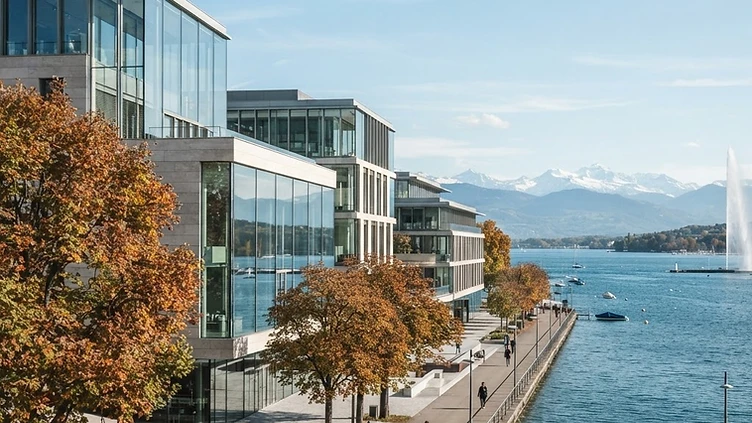

As we enter October 2026, the Geneva real estate market continues to prove resilient in the face of broader economic uncertainty. While national dynamics show signs of cooling in some regions, Geneva maintains exceptional appeal, driven by a structural housing shortage that continues to underpin property valuations.
Sustained Price Momentum in Geneva
The Geneva property market remains under significant pressure. According to UBS data published in August 2026, residential property prices rose by 3.6% in the second quarter of 2026 compared to the previous year [9]. While this growth is more moderate than the peaks seen in prior years, it underscores the persistent scarcity of available housing. The premium segment, particularly sought after in the canton, continues to outperform, with a national year-on-year increase for single-family homes of 4.8% in the first quarter of 2026 [4].
The Rental Market: Structural Strain
Conditions for tenants remain challenging. The Geneva market is characterized by a vacancy rate of less than 1% [8], leaving rental applicants in a difficult position. Asking rents rose by 2.4% in the second quarter of 2026 compared to 2025, while existing lease rents increased by only 1.1% during the same period [9]. This discrepancy creates a 'lock-in' effect, where sitting tenants are hesitant to relocate to avoid the higher prices currently prevailing in the market [6].
Risk Indicators and Investment
For investors, caution remains the order of the day. The UBS Swiss Real Estate Bubble Index rose slightly from 0.62 to 0.72 points in the second quarter of 2026 [9]. While the risk of a bubble is still classified as 'moderate,' this upward trend, which has persisted since late 2024, necessitates a rigorous analysis of yields. At OAKS GROUP, we observe that selectivity has become the watchword for any acquisition or development project in the Lake Geneva region [2].
Key Takeaways
- The housing shortage in Geneva keeps prices high, with annual growth of 3.6% for residential property [9].
- The Geneva rental market faces severe pressure, with a historically low vacancy rate of under 1% [8].
- The risk of a property bubble, though slightly higher, remains moderate on a national scale [9].
- Residential mobility is being constrained by the widening gap between current lease rates and market prices [6].
Frequently Asked Questions
Why do prices keep rising despite the current climate?
The rise is primarily fueled by demand that structurally exceeds supply, particularly in urban areas like Geneva where the vacancy rate is extremely low [8].
What is the impact for investors in 2026?
The market requires high selectivity. While appreciation prospects remain positive, the rise in the real estate risk index necessitates a precise analysis of rental yields and location quality [2, 9].
Is it still advantageous to buy in Geneva?
Buying remains a relevant long-term strategy in Geneva, given the scarcity of available land. However, home ownership remains exclusive, with only 18% of Genevan households owning their own property [8].
Sources
- Wüest Partner, Rental Market Study, April 2026 [6].
- UBS, Swiss Real Estate Bubble Index, August 2026 [9].
- Julius Baer, Swiss Real Estate Market Report, May 2026 [4].
- Swissroc, Swiss Real Estate Market Analysis, July 2026 [2].
- Inved, Real Estate Market Outlook 2026, August 2026 [8].