20 October 2026 — Ramzi Chamat
Swiss Real Estate Market 2026: Trends and Dynamics
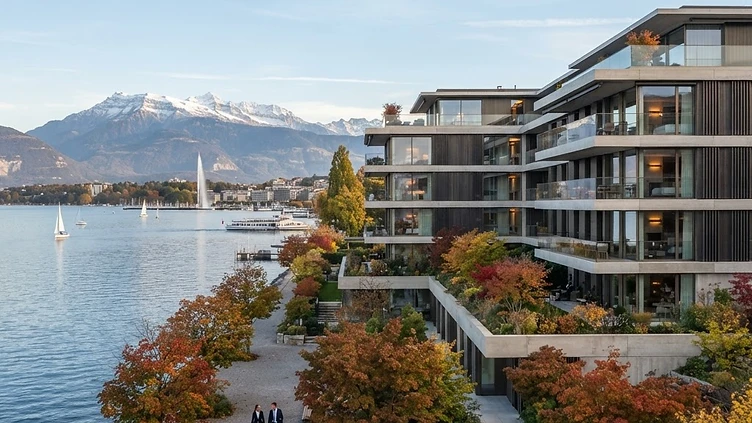

The Swiss real estate market in 2026 confirms its resilience in the face of economic uncertainty, driven by robust demand and a supply that struggles to keep pace with population growth. For industry participants, this period is characterized by persistent structural tension, where housing scarcity has become the primary driver of value for both investors and homeowners.
A Deepening Housing Shortage
The housing situation in Switzerland remains under pressure. As of June 1, 2026, the national vacancy rate has fallen below the 1% threshold [8]. This downward trend, observed for several years, illustrates the construction sector's inability to meet household needs. In Geneva, the situation is particularly critical with a vacancy rate of 0.31% as of June 1, 2026—one of the lowest in the country—confirming a structural shortage that maintains constant pressure on both purchase prices and rents [9, 10].
Price Evolution: A Bullish Dynamic
Despite a complex global economic context, residential property prices in Switzerland continue to rise. According to data from the Federal Statistical Office (FSO) and market analyses, residential property prices increased by approximately 3.5% year-on-year in the first quarter of 2026 [10]. This rise is driven by sustained demand and limited supply. The dynamic remains robust, although growth rates vary by region and property type, with condominiums showing sustained growth in urban centers [10].
The Rental Market Under Pressure
The Swiss rental market is also experiencing the consequences of this imbalance. Housing stock growth remains limited, which, combined with constant demand, keeps pressure on rents [10]. Asking rents recorded an increase during 2026, reflecting the persistent gap between property availability and household needs [10]. For investors, this situation ensures stable rental income, but requires rigorous management to navigate regulatory requirements and construction constraints.
Development Strategies and Sustainability
Faced with land scarcity, qualitative densification is the strategic response for developers. At OAKS GROUP, we prioritize projects that integrate high energy standards, as environmental performance is now a key lever for asset appreciation. The ability to transform underutilized plots into modern living spaces while respecting local architectural identity is essential to meeting current needs while securing long-term asset value.
Key Takeaways
- The national vacancy rate fell below the 1% threshold in 2026, confirming a persistent shortage [8].
- Swiss real estate prices rose by approximately 3.5% year-on-year in the first quarter of 2026 [10].
- Geneva remains one of the most constrained markets in Switzerland with a vacancy rate of 0.31% as of June 1, 2026 [9, 10].
- Qualitative densification and energy performance are the pillars of real estate value in 2026.
Frequently Asked Questions
Why do real estate prices continue to rise in 2026?
The price increase is primarily due to a structural imbalance where demand, fueled by population growth, far exceeds an supply limited by land scarcity and construction constraints. This chronic shortage mechanically supports real estate asset values in urban areas.
What is the impact of the vacancy rate on the Geneva market?
The extremely low vacancy rate of 0.31% in Geneva means that demand far exceeds supply, which maintains constant upward pressure on prices and rents. This situation makes the search for housing particularly competitive and secures rental income for property owners.
How can I increase the value of my real estate assets in this context?
Value appreciation is now based on energy performance and the intrinsic quality of the building. Investments in sustainable renovation and compliance with high energy performance standards are the most effective levers for maintaining the market value of your assets against growing regulatory requirements.