03 October 2026 — Ramzi Chamat
Geneva Development Zones: Understanding Price Controls
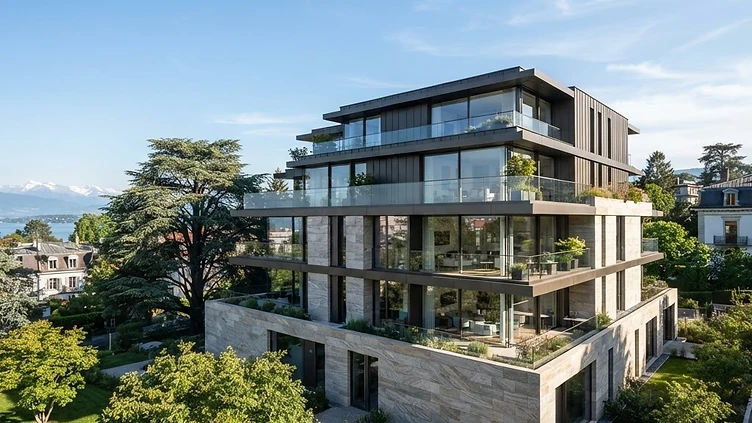

In Geneva, managing the real estate market relies on a key urban planning tool: the development zone. For both buyers and owners, understanding the mechanisms of the LGZD (Law on Development Zones) and Localized Neighborhood Plans (PLQ) is essential for navigating a market where price controls on new housing are a structural reality. As experts in real estate development, OAKS GROUP SA provides clarity on these measures that shape the Geneva urban landscape in 2026.
Geneva Development Zones: A Regulatory Lever
Geneva’s housing policy is largely based on development zones, which serve as the primary framework for creating new neighborhoods. Unlike ordinary zones or villa zones, these sectors are subject to specific rules aimed at fostering social diversity and meeting the needs of the middle class. The objective is clear: to facilitate access to housing while preventing excessive speculation on new projects [1, 4].
The Central Role of PLQs and the LGZD
The Localized Neighborhood Plan (PLQ) is the operational instrument that defines the density, typology, and distribution of housing within these zones. During the development of a PLQ, the State plans a precise proportion for different categories: PPE (condominiums), housing cooperatives, or rental units. The Law on Public Utility Housing (LUP) complements this framework, with the ambitious goal of reaching 20% public utility housing in the cantonal rental stock [1, 5].
Controlled Pricing for New Housing: What Changes for You
One of the major specificities of the development zone is the price control imposed by the State. Key points to remember include:
- Control Period: Selling prices for PPE (ZD-PPE) and rents (ZD-LOC) are regulated by the State for a period of 10 years following construction [4, 5].
- Financial Validation: The financial plan for each building is subject to approval by the authorities before any sale or rental [5].
- Transparency: This mechanism limits speculative margins, ensuring that prices remain in line with the social diversity objectives defined by the canton [4].
Impact for Buyers and Owners
For a buyer, purchasing in a development zone means benefiting from a regulated sale price, often more accessible than in the free market. However, this also entails constraints regarding resale or renting during the control period. For owners, these rules impose rigorous price management, as any modification must be validated by the State [5]. It is crucial to note that these regulations, while protective, add a layer of administrative complexity that requires professional guidance to secure every step of the transaction.
Key Takeaways
The development zone in Geneva is an essential regulatory tool for maintaining market balance. While price control offers an opportunity for homeownership for the middle class, it imposes strict discipline on sale prices and rents for a decade. Mastering the PLQs and the requirements of the LGZD is a prerequisite for any investor or buyer wishing to succeed in their real estate project in the canton.
Frequently Asked Questions
How do I know if a project is in a development zone?
Projects in development zones are identified during the PLQ planning phase. You can consult official files on the Canton of Geneva website or contact a specialized developer like OAKS GROUP SA for a detailed analysis of current opportunities.
Does price control apply indefinitely?
No, the control of sale prices and rents by the State is time-limited. It applies strictly for a period of 10 years following the completion of the real estate project [4, 5].
Why are prices lower in development zones?
Prices are regulated by the State to ensure housing access for the middle class. This regulation, integrated from the design of the PLQ, prevents speculation and ensures that the cost of new housing remains consistent with Geneva's housing policy objectives [4].
Sources
- State of Geneva, Housing Policy in Geneva, 2026 [1].
- Pilet & Renaud, Real Estate Glossary, 2026 [2].
- The Daily Geneva, Property Market Trends, 2026 [3].
- State of Geneva, Housing in Development Zones, 2022 [4].
- City of Geneva, Real Estate Projects in Development Zones, 2026 [5].