06 October 2026 — Ramzi Chamat
Swiss Real Estate Market 2026: Trends and Outlook
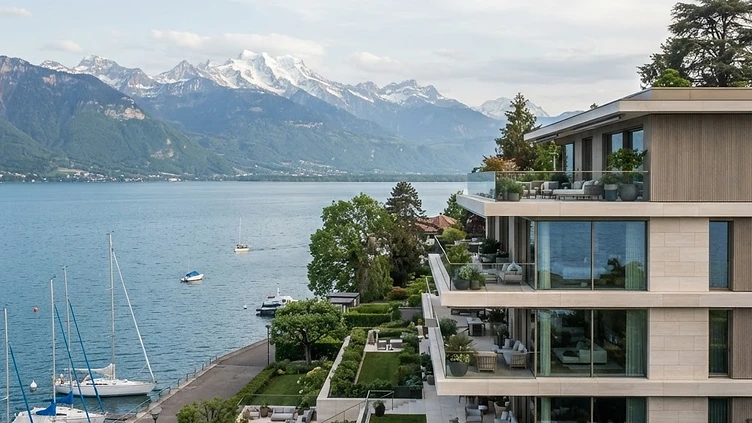

The Swiss real estate market in 2026 demonstrates remarkable resilience despite global economic uncertainties. As experts in real estate development in Geneva, OAKS GROUP observes a persistent structural tension: demand for high-quality housing remains significantly higher than supply, which is constrained by territorial limitations and high construction costs. According to data reported in August 2026, residential property prices in Switzerland rose by 0.7% in the second quarter, bringing the annual increase to 3.5% [2].
Price dynamics driven by scarcity
Price growth is not uniform, yet it reflects a clear national upward trend. In the first quarter of 2026, indices confirmed this momentum, with notable increases for both single-family homes and condominiums [4]. The high-end segment, which OAKS GROUP monitors closely, maintains strong appeal, supported by a shortage of buildable land and complex regulatory requirements that hinder the launch of new projects [10].
The rental market under pressure
Alongside homeownership, the rental market is also facing upward pressure. Analyses from the second quarter of 2026 indicate that advertised rents have risen by 2.4% compared to the previous year, while existing rents have increased by 1.1% [6]. This reflects the imbalance between dynamic population growth and construction activity that struggles to meet demand, particularly in urban centers like Geneva, where vacancy rates remain at critical levels, often below 0.45% [3].
Resilience factors and financing conditions
The Swiss real estate system remains highly robust due to prudent financing policies. Banks continue to require 20% equity and calculate debt capacity based on a theoretical interest rate of 5% [7]. This safeguard ensures long-term stability and limits overheating risks. While the UBS real estate bubble index reached 0.72 points in the second quarter of 2026, it remains in a moderate zone, confirming that price increases are supported by economic fundamentals rather than excessive speculation [2].
Key Takeaways
- Residential property price growth reached 3.5% year-on-year in the second quarter of 2026 [2].
- Supply scarcity, especially in high-demand areas like Geneva, continues to support asset values [3].
- The rental market is experiencing rising costs (+2.4% for new leases), highlighting the urgent need for new construction [6].
- Strict bank financing criteria ensure the continued stability of the Swiss market [7].
Frequently Asked Questions
Why do real estate prices continue to rise in 2026?
The increase is primarily driven by strong structural demand, constant population growth, and insufficient housing supply, which is limited by land constraints and high construction costs [7].
What is the impact of interest rates on the current market?
Despite economic uncertainty, financing conditions remain favorable, stimulating demand for quality properties while maintaining rigorous selection criteria for buyers by banks [10].
Is the Swiss real estate market in a bubble?
According to UBS indicators, the risk is considered moderate (index at 0.72 in Q2 2026), suggesting the market is built on solid foundations rather than speculation disconnected from reality [2].
Sources
- Agefi, "Le risque de bulle immobilière en Suisse augmente", August 2026 [2].
- JSRE, "Marché immobilier suisse 2026 : Analyse de performance", April 2026 [3].
- Capvest, "Marché immobilier suisse T1 2026", April 2026 [4].
- UBS, "Évolution des prix sur le marché immobilier", August 2026 [6].
- Inved, "Prix de l'immobilier en Suisse 2026", November 2025 [7].
- Julius Bär, "Rapport sur le marché immobilier suisse Q2 2026", May 2026 [10].