17 November 2026 — Ramzi Chamat
Becoming a Homeowner in Geneva: Why Only 18% Succeed
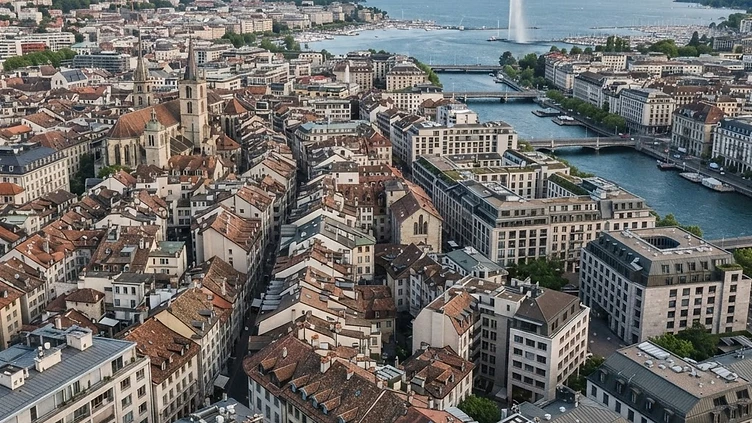

In Geneva, becoming a homeowner remains the exception. According to the Geneva Chamber of Real Estate (CGI), the rate of owner-occupiers is capped at 18%, compared with around 36% on average in Switzerland. The rejection on 27 September 2026 of the law that would have allowed tenants to buy their apartment reignited the debate: only about 37% of voters supported it.
Why is home ownership so difficult in Geneva? We identify four barriers, with figures, and then the levers that actually exist for buying an apartment in Geneva.
Barrier 1: very high prices relative to incomes
In the second quarter of 2026, excluding new homes, the median price of a condominium apartment reached CHF 1.397 million in the canton, and that of a detached house CHF 2.1 million, according to immobilier.ch based on cantonal data.
Bank financing follows strict rules. UBS states that a CHF 1 million property financed with 20% equity requires a regular income of at least CHF 180,000 per year. For an apartment at the Geneva median price, the required income is therefore significantly higher.
This is the central argument of tenant representatives: during debates in the Grand Council, they recalled that the vast majority of households will remain tenants even if they have the right to buy, because prices are out of reach for a large part of the population.
Barrier 2: equity
In Switzerland, buying a home requires at least 20% equity. At least 10% must be "hard" equity (savings, 3rd pillar, gifts) not coming from the pension fund. The remaining 10% can come from the 2nd pillar.
For an apartment at CHF 1.4 million, this means about CHF 280,000 of equity, of which CHF 140,000 outside the 2nd pillar, not counting notary and land register fees. For many middle-class households, it is this amount, even more than income, that blocks the project.
Barrier 3: far too little supply
Geneva has the most severe housing shortage in Switzerland, with a vacancy rate of 0.31% on 1 June 2026. Residential choices are severely limited, for renting as well as buying.
The causes are many:
- little buildable land and a villa zone whose densification remains contentious;
- objections and appeals that delay many projects;
- a cantonal master plan whose revision is progressing slowly, according to the CGI.
When new supply is scarce, available properties sell quickly and prices stay firm. Transaction volumes show it: property transactions totalled CHF 2.002 billion in the second quarter of 2026, a slight increase.
Barrier 4: canton-specific rules
Geneva has chosen strong regulation of housing, notably through the LDTR and the development zone regime. These rules aim to protect tenants and limit speculation. Their supporters believe they preserve an affordable rental stock in a very tight canton.
Their critics, including the CGI, stress that they reduce opportunities to buy. In their view, Geneva remains the only canton where a tenant cannot, in practice, buy the apartment they occupy. This is precisely what law 13025 sought to change, and what voters rejected.
The debate therefore pits two legitimate priorities against each other: protecting the rental stock and access to ownership, which the Geneva Constitution tasks the State with encouraging.
The levers that actually exist
Despite these barriers, several routes make it possible to become a homeowner in Geneva:
- Development zone apartments (ZD PPE): their prices are controlled by the State. In 2024, the median price of these apartments was CHF 7,041/m², compared with CHF 10,284/m² for new apartments outside development zones, according to OCSTAT. In return, the buyer must live in the home and resale is regulated for ten years.
- Buying off-plan in a property development: it leaves time to arrange financing and sometimes allows you to choose finishes.
- The 2nd and 3rd pillars, used wisely to supplement equity.
- Neighbouring municipalities in the canton, which are less expensive, provided you carefully assess the effect of commuting on daily life.
To test your budget, use our mortgage calculator.
The OAKS GROUP view
As a property developer in Geneva, we see solvent families give up every day for lack of suitable supply. The most lasting answer remains construction: more condominium homes, delivered faster, at prices consistent with middle-class incomes. This requires more predictable procedures, without compromising on project quality.
Key takeaways
- Geneva has around 18% homeowners, compared with 36% in Switzerland.
- The median price of an existing condominium apartment is CHF 1.397 million (Q2 2026).
- At least 20% equity is required, including 10% outside the 2nd pillar.
- The shortage (0.31% vacancy) and specific rules limit supply for buyers.
- Development zones, off-plan purchases and pension savings remain concrete levers.
Frequently asked questions
Why is the home-ownership rate so low in Geneva?
It results from a combination of very high prices, significant equity requirements, scarce new supply and cantonal rules that limit the sale of rental apartments. The canton is also highly urban, which has historically favoured renting.
What income do you need to buy an apartment in Geneva?
It depends on the price and your equity. According to UBS, a CHF 1 million property with 20% equity requires an income of at least CHF 180,000 per year. Banks calculate your costs using a notional rate of 5%.
Is a development zone apartment a good option?
It is often the most accessible route, thanks to controlled prices. You must, however, accept living in the home and a regulated resale price for ten years. Check these conditions before signing.
Sources
- immobilier.ch, Geneva residents want to remain a nation of tenants, 27 September 2026
- immobilier.ch, Geneva property market remains firm in Q2, 3 August 2026
- OCSTAT, Statistical information on property transactions 2024
- Geneva Grand Council, Debate on PL 13025, 12 December 2025
- UBS, Affordability
- PostFinance, Home ownership and mortgages