
07 October 2026 — Ramzi Chamat
Swiss Property Tax 2026: Key Changes for Geneva Owners
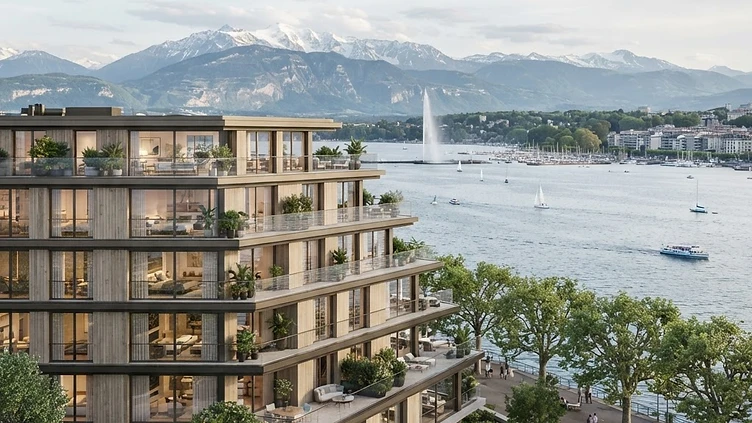

As of late 2026, the landscape of Swiss property taxation is undergoing a structural transformation. For homeowners working with OAKS GROUP, understanding these adjustments is essential to anticipate their consequences in an evolving regulatory environment.
The Abolition of Imputed Rental Value: A Historic Shift
The most significant development is the decision to abolish the imputed rental value, following the Swiss electorate's approval in September 2025. While the transition is scheduled for full implementation by 2029, the legislative framework is now set. This reform ends the taxation of notional income for owner-occupied properties. In exchange, homeowners will no longer be able to deduct mortgage interest or maintenance costs from their taxable income. This change harmonizes the tax treatment of owners and tenants while fundamentally altering net profitability calculations for residential acquisitions.
Market Dynamics and Fiscal Pressure
Alongside these federal reforms, the Canton of Geneva has integrated adjustments to balance the overall tax burden on wealth. According to UBS, owner-occupied home prices rose by 3.6% year-over-year in the second quarter of 2026, while asking rents increased by 2.4%. This resilience in the Geneva market persists despite the shifting fiscal landscape. The reform aims to provide relief to owners whose net wealth has increased due to market appreciation, even as the ability to leverage debt for tax optimization diminishes.
Energy Renovation and Incentives
Fiscal levers related to energy transition remain a strategic priority. While national calculation standards for heating efficiency have evolved, investing in energy performance remains the most effective way to enhance property value. At OAKS GROUP, we observe that properties meeting high energy performance standards (THPE) maintain superior market attractiveness, regardless of broader fiscal fluctuations.
Key Takeaways
- The abolition of imputed rental value removes notional income taxation but eliminates deductions for mortgage interest and maintenance costs.
- The reform is set to take full effect by 2029, following the 2025 popular vote.
- The Swiss real estate market expects nominal price growth between 3.5% and 4.0% for 2026.
- Wealth management strategies should now prioritize the intrinsic value of the property over tax optimization through mortgage debt.
Frequently Asked Questions
What is the immediate impact of the imputed rental value reform?
While the change is effective by 2029, owners should prepare for a system where they no longer declare notional income, but also lose the ability to deduct mortgage interest and routine maintenance costs.
Does the wealth tax adjustment offset rising property prices?
Geneva’s fiscal adjustments aim to rebalance the tax burden in light of asset revaluation, providing a measure of relief for owners whose net wealth has grown alongside market prices.
How should I approach these tax changes with OAKS GROUP?
We recommend a personalized analysis of your portfolio, as the impact of these reforms depends heavily on your specific debt ratio and overall tax situation.
Sources
- UBS, Real estate market price trends, July 2026.
- Swiss Federal Chancellery, Popular vote on 28 September 2025.
- Deloitte Switzerland, Abolition of imputed rental income and its implications.
- Houzy, Abolition of imputed rental value: what owners need to know.