25 September 2026 — Ramzi Chamat
27 September vote: access to home ownership at the heart of Geneva's debate
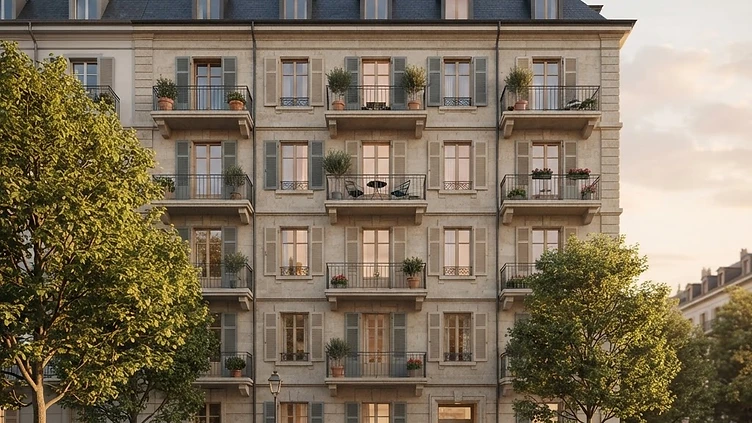
On 27 September 2026, Geneva voters decide on the law "So that tenants can, if they wish, become owners of their own home". Passed by the right-wing majority of the Grand Council and challenged by a referendum from Asloca, the tenants' association, the text addresses a central issue for the canton: access to home ownership in one of Switzerland's tightest markets.
A housing market under severe strain
As of 1 June 2026, Geneva's vacancy rate fell to 0.31%, i.e. three vacant homes per thousand. Only 682 properties were available, of which 108 for sale. Nearly 8,000 people are waiting for subsidised housing, and every price-controlled programme in development zones attracts thousands of applications.
Meanwhile, the home ownership rate is stuck at 18% in Geneva, versus a Swiss average of 36%. This deadlock is the backdrop to the vote.
What the law changes
Since "sale-driven evictions" were banned in 1985, the LDTR has strictly regulated the sale of rented apartments: it requires the consent of 60% of the building's tenants and the absence of any overriding public interest. In practice, buying the home you live in has become almost impossible.
The new text removes these two conditions but introduces five others:
- the tenant buyer must have lived in the home for at least three years;
- the purchase must be freely agreed;
- the price per m² may not exceed the average price in development zones;
- the buyer must live in the property for five years after purchase, to prevent speculation;
- other tenants must be guaranteed that they will not be forced to buy.
The arguments
For Asloca, removing the 60% rule and the public-interest test would open the door to the return of sale-driven evictions. Tenants would be protected only by federal tenancy law, seen as weak. The affordable rental stock could shrink, as low-rent units would be the first to be sold.
For the Geneva Real Estate Chamber (CGI), these fears are unfounded. A contested termination takes years, after which the owner would still have to wait three years to sell at a capped price of around CHF 7,000/m², well below what an institutional investor would pay for the whole building. The law would in practice only concern the roughly 20% of the stock held by private individuals, with a marginal effect on rental supply, while giving home ownership a boost.
Our view
Whatever the outcome, this vote highlights a structural reality: in Geneva, supply does not keep up with demand, whether for renting or buying. Capping the price at development-zone levels and requiring five years of occupancy clearly steer the scheme towards owner-occupation rather than investment.
For owners and future buyers alike, the underlying challenge remains the same: building more homes and easing residential mobility. That is precisely the role of real estate development, still the most lasting lever against the shortage.
Source: 20 minutes, "Votations du 27 septembre : à Genève, la bataille fait rage autour de l'accès à la propriété", September 2026 — read the article.